|
Learn about EGF What is EGF? EGF stands for EpidermalGrowth Factor, is an important cytokine mainly secreted by mammary glands and salivary glands of animals. In 1962, the American Dr. Stanley Cohen and the Italian Dr. Rita Levi-Montalcini extracted a polypeptide in the mouse jaw. This polypeptide is widely present in humans or other animals, extremely trace can strongly stimulate cell growth, inhibit aging, so named Epidermal Growth Factor. In 1986, the discovery was awarded the Nobel Prize in Physiology or Medicine for opening up a whole new field of life sciences.
EGF is an active polypeptide composed of 53 amino acids (FIG.1), including 6 hemiskinine. These semi-olderines form disulfide bonds within the three molecules, which are essential for maintaining the biological activity of epidermal growth factor Figure 1 EGF Amino Acid Sequence, Source from the Nobel Prize website
What can EGF do? EGF has strong physiological activity, mainly involved in the regulation of epithelial and endothelial cell metabolism, growth, proliferation, differentiation and other cell biological processes, but also has the regulation of cytoskeleton and enhance cell adhesion and other biological functions.
A large number of experimental studies show that EGF can stimulate the proliferation of a variety of cells, mainly epidermal cells, endothelial cells. Since the discovery of EGF, because of the high cost of production, it has been used only for the repair and healing of corneal injuries, burns, scalds and surgical wounds, and is often used as a growth promoting factor in cell culture. Because of its role in promoting the rapid renewal of skin cells, EGF is widely used in the fields of wrinkle removal, wrinkle resistance and pregnancy stripe elimination, which is also known as "Beauty Factor".
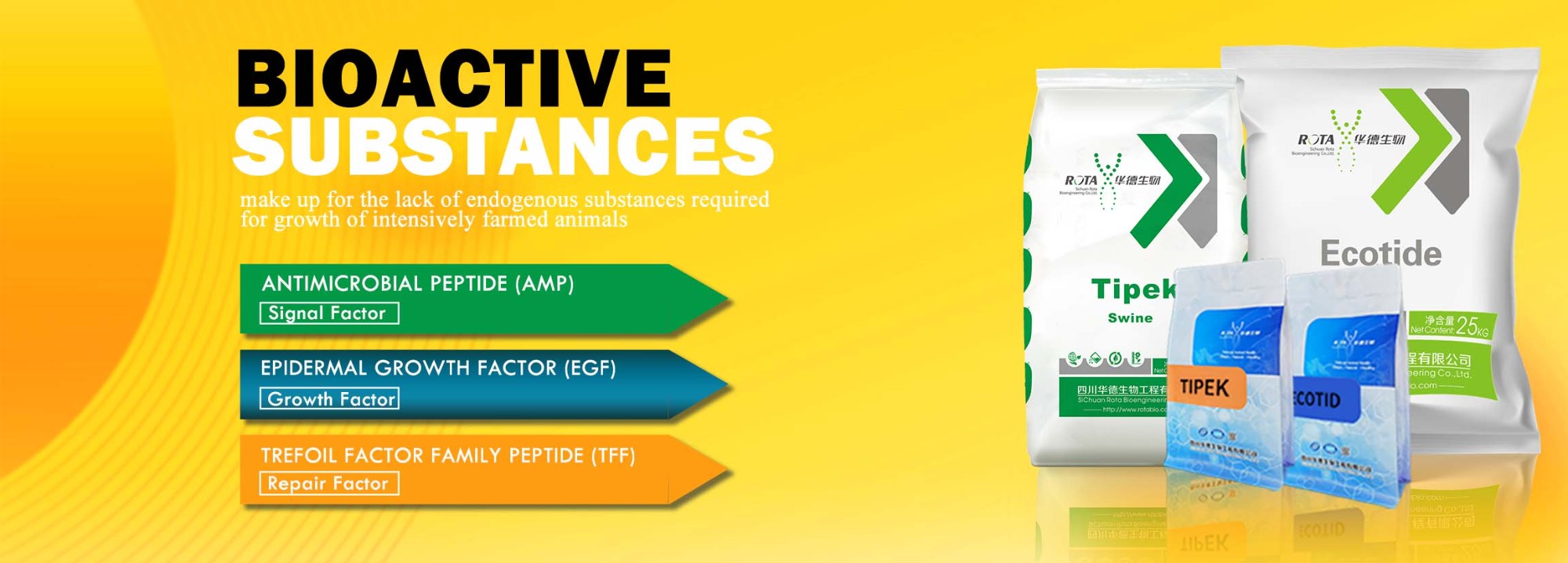
What makes ROTA EGF unique? ROTA EGF is high bioactive epidermal growth factor expressed by Pichia pastoris. Homologous EGF plays an active role in maintaining structural stability and playing a biological role in animals. ROTA EGF is relatively stable to acid and heat, and can resist the digestion of trypsin, chymotrypsin and pepsin. |
 HUADE INSIGHTS | From Birth to Health: Where Is Animal Health Management Headed?
 HUADE VOICE | 11.18–11.24 | World AMR Awareness Week
 HUADE INSIGHTS | Why Can the Same Functional Factor Work So Differently in Different Animals?
 HUADE VOICE | Winter Livestock Care: Get These Four Things Right First