|
How to Choose the Right Non-Antibiotic Growth Promoter
The main functions of antibiotics as growth promoters (AGP) include:
At present, feed additives that can be used to replace antibiotics mainly include feed acidifiers, probiotics, enzymes, plasma, plant extracts (plant essential oils), copper and zinc organic acids, oligosaccharides, prebiotics, Guanidinoacetic acid, and Chinese herbs, and etc.. Substitute products emerge in an endless stream, but how to choose has become the most concerned topic at the feed or farm end. Traditional additive products can actually promote the growth of animals to varying degrees. Most of the products promote the growth of animals by improving the digestion, absorption and utilization of feed raw materials or increasing the supply of nutrients such as protein and energy. These methods are treating symptoms not the root cause.
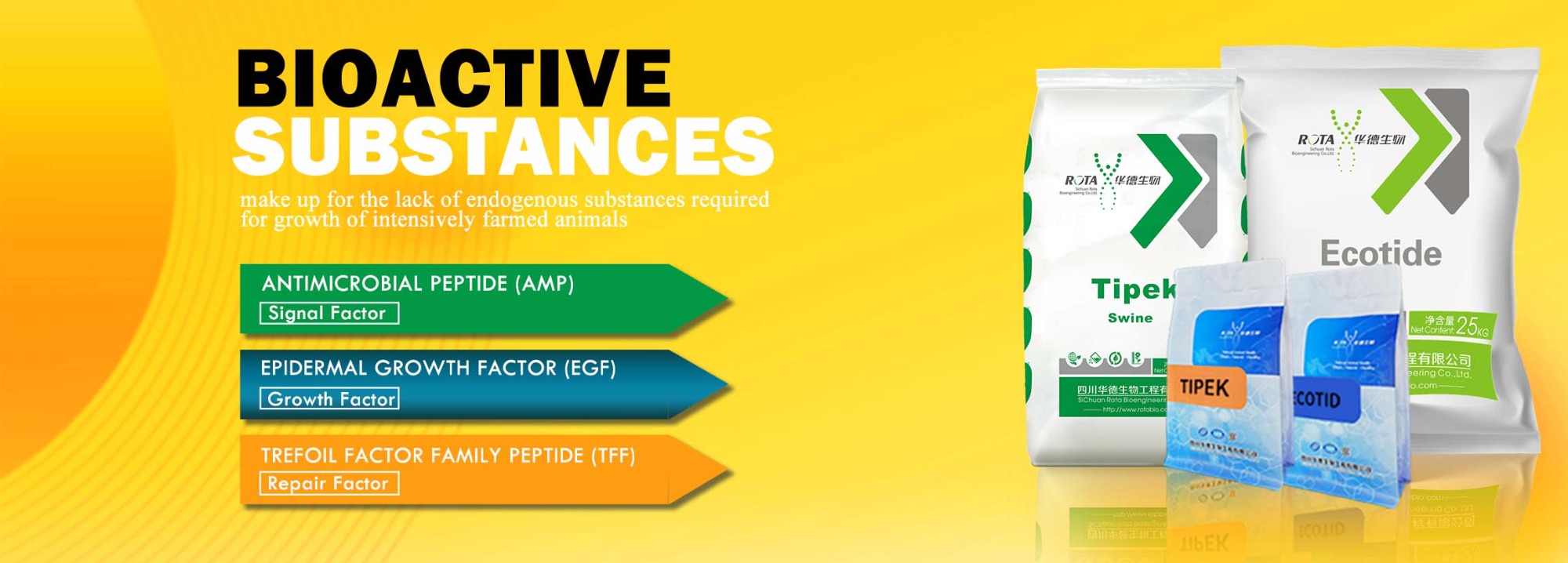
Animals in intensive farming often face stress states, such as weaning, refueling, and disease, which lead to many growth and development obstacles and reduced immune function. Its essence is the intestinal barrier function problems such as intestinal development obstruction, functional impairment, increased permeability, and decreased defense ability of animals. If the root cause cannot be cured, it will aggravate the outbreak risk of intestinal problems. The traditional solution starts from the animal's apparent character, and it is difficult to reach the essence of the problem. Different from traditional functional additive products, bioactive peptides are biological products that make the "intestinal structure and function perfect", and strive to narrow the difference between the growth state of intensive farming animals and the natural growth state of low stress, and are the material basis for remodeling the intestinal barrier function of animals.
Therefore, on the basis of ensuring the normal intestinal structure and perfect intestinal function, the corresponding additives are supplemented according to the actual needs, which can simplify the feed formula, improve the feed utilization rate, and fundamentally promote the growth of animals. Reduce the possibility of repeated symptoms. |
 HUADE INSIGHTS | Why What Really Determines a Chick’s Future May Happen Before Hatch, Not After?
 HUADE BIOTECH VIV Exhibition Recap | We Look Forward to Meeting Again
 HUADE INSIGHTS | Is Fish Disease Becoming Harder to Prevent? The Real First Line of Defense May be Lost Not in the Gills, but in Natural Immunity
 4 Days To Go | Huade Biotech Is Ready For VIV — We’re Waiting To Meet You