|
Understand These 5 Causes of Poultry Enteritis, and it will not be Difficult to Treat Diarrhea and Feed Passage! Breeding friends often say that the use of enteritis drugs such as colistin and neomycin is not effective in treating diarrhea and feed passage enteritis. In fact, the diarrhea and diarrhea we usually talk about are just a description of the symptoms of enteritis and do not represent the cause of enteritis. There are many causes of enteritis.
Bacterial enteritis Many types of enteritis are caused by bacterial infections. Excessive reproduction of pathogenic cocci and bacilli in the intestines can lead to diarrhea and feed passage. We use antibiotics such as colistin, neomycin, or most serositis drugs, which can directly kill these harmful bacteria, thereby solving the enteritis symptoms of diarrhea and feed passage. If antibiotics are used continuously, they are not effective. We have to consider: Is this enteritis not closely related to bacterial infection, but caused by other reasons? For example, some viruses can also directly damage the intestinal mucosa, and after many viruses cause fever, the intestinal temperature rises, and the intestinal flora can easily become imbalanced, causing indigestion and diarrhea. If this happens, the effect of using antibiotics alone will be unsatisfactory. The correct approach at this time is to suppress the virus, control body temperature, and appropriately to adjust the intestinal flora to achieve better results. Intestinal cheanges caused by mold and mycotoxine In addition to viruses, molds and mycotoxins are also important factors causing enteritis, diarrhea, and indigestion. Mycotoxins can burn the intestinal wall and severely inhibit or even poison normal intestinal flora, leading to intestinal dysfunction and dysbiosis. Intestinal symptoms caused by mold and mycotoxins include intestinal mucosal shedding, graying and blackening, gastric cuticle ulcers and cracking, glandular gastric enlargement, and sticky secretions attached to the gastric wall. Having gray-black watery stools. Antibiotic treatment is ineffective.
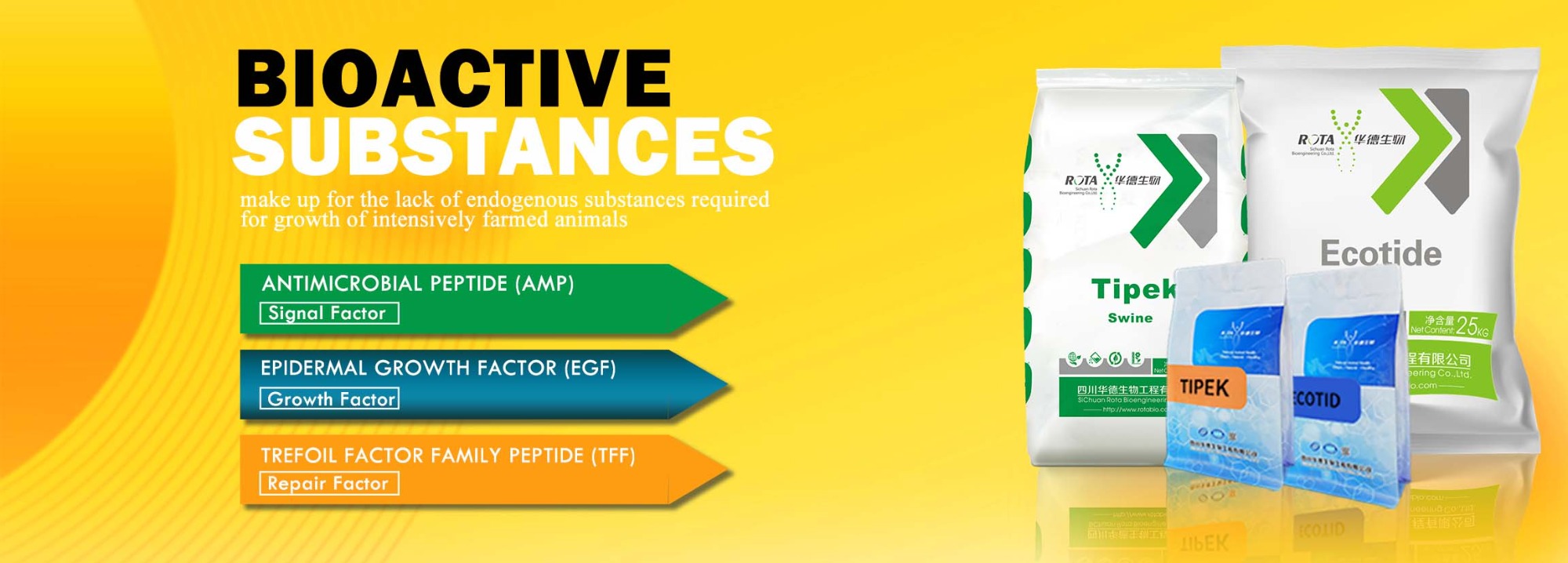
Enteritis caused by bacteria and mold is closely related to the breeding environment. If the sanitation of pavement, water lines, and feed troughs is not properly controlled, bacteria and mold will breed in large quantities, resulting in poultry ingesting large amounts of these harmful substances for a long time. Treatment with drugs will not be effective. Very bad or easy to repeat. Feeding stress can easily cause intestinal dysfunction. When changing feed, the intestinal adaptability is poor due to changes in feed particle size, hardness, smell, and nutritional content, resulting in diarrhea, feed passage, and indigestion. When changing the material number, a step-by-step mixing method is adopted, and the material changing operation is completed in 3-4 days. It can well avoid the stress of changing the food. Using traditional Chinese medicine or probiotics during the process of changing the food can better solve the problem of indigestion. Strong stress can also easily lead to intestinal dysfunction and diarrhea. Severe flocking and repeated stress will cause severe stress reactions in poultry: accelerated circulation in the body, accelerated intestinal peristalsis, increased adrenaline excretion, and the most obvious one is group stress. When stress enteritis occurs, it is most important to provide the poultry with a stable environment. At the same time, giving sufficient amounts of electrolytic multivitamins and appropriate enteritis astringent drugs can quickly help the poultry recover. The ground is not preheated well during brooding, and the cool air from the ground invades the abdomen of the chicks. Usually the plastic sheet is not pressed well, and air leaks from the bottom, causing cool wind to blow into the chicken's belly. It will cause the chicken's abdominal temperature to be too low, intestinal spasm and diarrhea, and in severe cases, it can cause dehydration, dysbiosis and other bacterial infections. The feed intake of poultry increases rapidly in the later period, and the feed intake is large and the gastrointestinal digestion burden is heavy. The accumulation of mycotoxins, bacterial contamination, and mucosal damage caused by some drugs can easily lead to intestinal fatigue, bacterial flora imbalance, decreased digestive capacity, and the appearance of Persistent diarrhea and indigestion. During this period, Ecotide can be used to inhibit harmful bacteria and promote the growth of beneficial bacteria, regulate the balance of intestinal flora, metabolize beneficial products, quickly repair intestinal mucosa, restore intestinal function, and promote animal growth. The problem of enteritis is a comprehensive problem affected by multiple factors. Therefore, we do not need to rely too much on antibiotics in production. Instead, we should find out the cause of the disease through phenomena and adopt management, environmental control, nutrition, and biological methods. |
 HUADE INSIGHTS | Why What Really Determines a Chick’s Future May Happen Before Hatch, Not After?
 HUADE BIOTECH VIV Exhibition Recap | We Look Forward to Meeting Again
 HUADE INSIGHTS | Is Fish Disease Becoming Harder to Prevent? The Real First Line of Defense May be Lost Not in the Gills, but in Natural Immunity
 4 Days To Go | Huade Biotech Is Ready For VIV — We’re Waiting To Meet You